
Should I Go Back To Rehab? Alcohol Help

If you have a support system at home, determine the rules at your chosen facility regarding contact and visits from friends and family. There might be times when you can’t access your phone or when visits aren’t allowed. So it’s important to obtain and share this information with your loved ones to ensure everyone is on the same page and people are able to offer support when appropriate.

Understanding Your Recovery Journey
A relapse does not indicate personal failure or that your initial treatment cycle and support channels did not work. Remember, recovery is a journey, and there’s always something new to learn in treatment. Picking up where you left off after a relapse is an empowering step in the right direction.
Signs That Going Back To Rehab Is A Good Idea
Returning to the same friends who encourage drinking or drug use does more harm than good, placing individuals in a vulnerable position. Whatever decision one makes that is positive is supporting their decision to take control of their future and be proactive. As you transition into life after rehab, it’s important to have an aftercare plan in place that includes the support of a recovery coach. Recovery coaches understand the challenges that patients face when transitioning to life after rehab. They can provide tailored guidance to both you and your family members to ensure that your ongoing recovery is healthy and safe.
- If you ignore the signs of emotional relapse, the mental relapse stage will begin soon after.
- Knowing what to do in a situation like that can be difficult, especially if you’ve never experienced a relapse before.
- Treatment also helps you identify any underlying condition that causes the addiction.
- Also keep in mind that depending on the severity of your addiction as well as other factors, inpatient treatment may not be required; outpatient programs may be an option.
- At the very least, someone who slips or experiences a relapse should attend a 12-step meeting.
What Percentage of Alcoholics Recover and Stay Sober?
Developing healthy relationships with drug-free people can be a wise decision. They can encourage the new-found healthy lifestyle, create positive distractions, and support positive change. In the long https://ecosoberhouse.com/article/why-alcohol-makes-you-feel-hot-and-sweat-after-drinking/ run, this is beneficial for someone leaving treatment and maintaining sobriety. If you need help with your recovery, our Pompano Beach treatment center offers telehealth addiction services that include individual counseling that can help you stay on track.
What Percentage of Alcoholics Relapse?
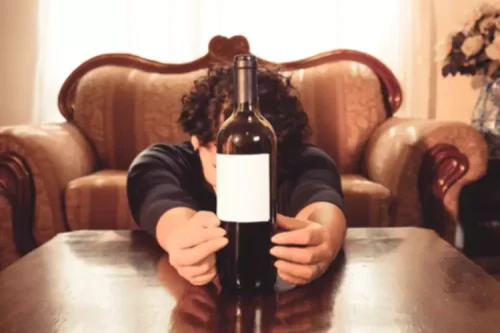
If you decide to return to your hometown after rehab, this will typically cost less than going to a distant city. The roots of relapse lie not in external circumstances but rather in the individual’s thoughts and perceptions. Your mind gives you the green light to stop going to group sessions or therapy, withdraw from friends and family, and stop taking care of yourself.
Preparing Family and Friends
Creating a sober social life includes finding ways to grow and use all of your skills and abilities. As you continue on the road of recovery, finding new ways to improve yourself becomes fun. Obviously, you should avoid going to bars or clubs if at all possible. Sober nights are a great way to enjoy a night at a club dancing with friends without the temptation to drink. Many local 12-step groups learn which local bars offer “booze free” nights and share the information at meetings. It’s a great way to enjoy dancing or socializing with friends without substances.
- Although this statement may feel discouraging, this perspective is a tool that can help you control your addictive patterns.
- Sometimes you master them all at once, but for others, mastery happens more slowly.
- Sobriety, recovery and a full, rewarding and satisfying life are waiting for you.
- The combination of professional and community support can mean the difference between surviving and truly thriving in your recovery journey.
Romance in Recovery
Relationships are going back to rehab indeed an important aspect of happiness, a buffer against stress, and an important part of recovery. In order to get to any destination, you need a plan and a guide. Your recovery plan for success can lead you to new and exciting places.
Alternative Support Groups
Whether it’s a personal tragedy or work, life can get in the way from time to time. If you were to slack on your recovery maintenance techniques, it is more than possible that you will experience a relapse. The patient is expected to participate in the treatment program planned by the rehab center. Every rehab center has its own programs, including individual therapy, family counseling, and many more. The cost of drug and alcohol rehab is a common concern for many people. However, addiction treatment may be more affordable than you think.
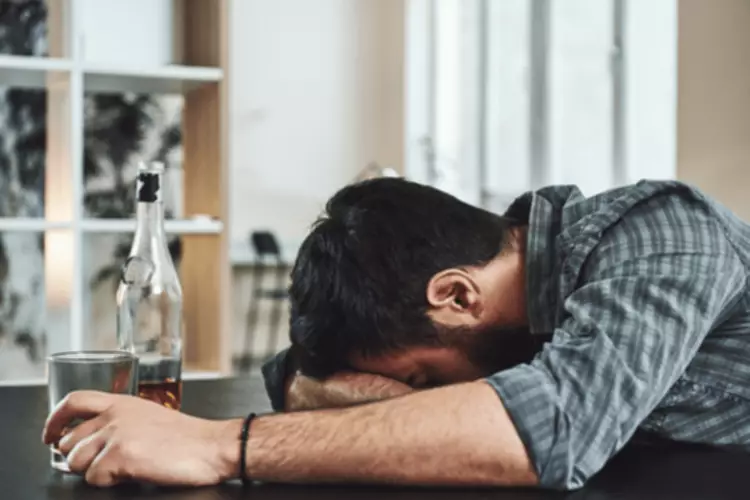
You have a choice to see it as an opportunity to obtain further education and support along the way to long-term recovery rather than as a shameful experience or failure. You may also be struggling with feelings of shame and regret, or thoughts that you have failed. It is important for you to know, however, that relapse is very common and does not signal the end of your recovery journey. If you plan on working with a recovery coach as part of an aftercare plan, explore JourneyPure’s Recovery Coaching services for more information.
What Are the Different Types of Relapses (Slips, Lapses, and Relapses)?

Recovering from a drug or alcohol addiction may be one of the hardest things you can ever do. It won’t be a quick and easy process, and it requires a lifelong commitment to a sober lifestyle. If you’re getting ready to start rehab and you have questions about what you’ll do once you finish, contact a treatment provider today. It’s important to remember that cravings for drugs or alcohol continue long after the detox and withdrawal phases. Long-term aftercare support programs — including 12-step programs and group and individual therapy — are essential parts of long-term sobriety. While going back to rehab can seem daunting, it’s also comforting to know that it will always be there for you.